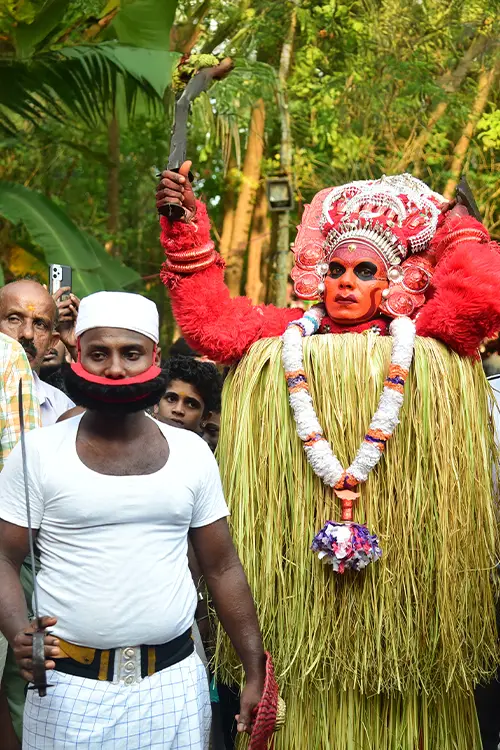
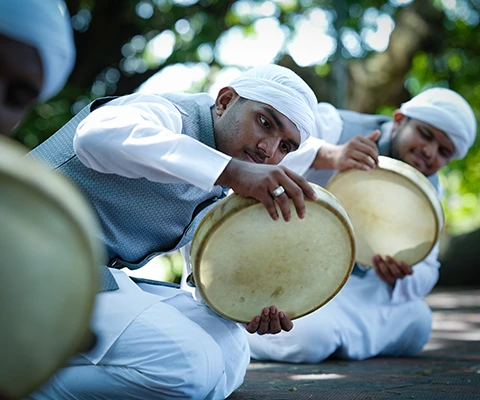
The Muslim community in Kerala has long been an integral part of the state’s social and cultural fabric, shaped by centuries of coexistence with the Hindu majority. Rooted in economic interdependence and mutual respect, Muslims and Hindus have shared in trade, agriculture, and artisanal crafts, forging a unique model of communal harmony. Kerala’s Mappila Muslims developed a distinct identity, embracing local customs while preserving their faith. The region’s inclusive ethos is exemplified by legends like that of Lord Ayyappa and Vavar, shared festivals, and close ties between elites and commoners alike, reflecting a history of peaceful assimilation and pluralistic narratives.
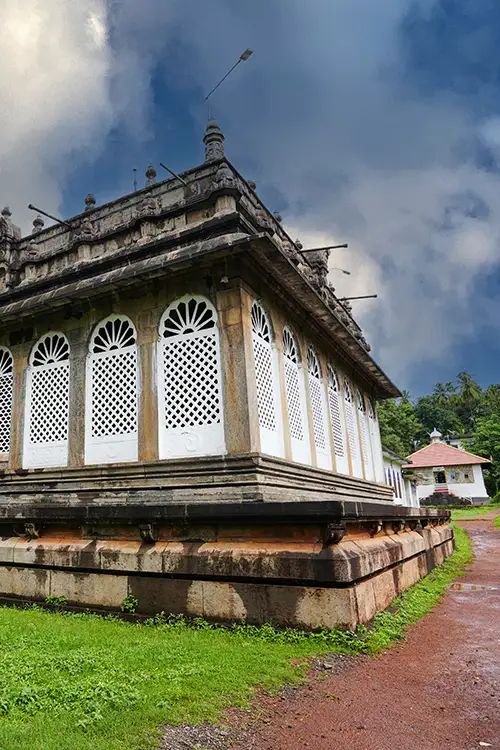
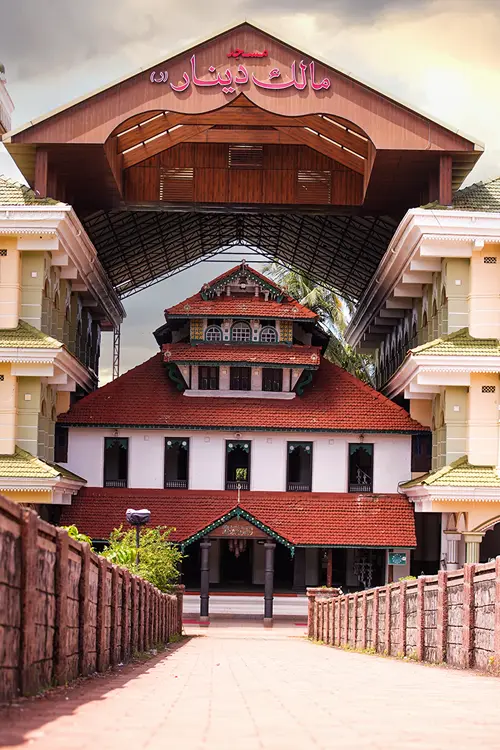
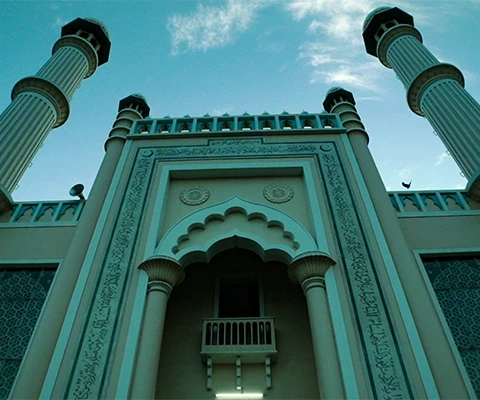
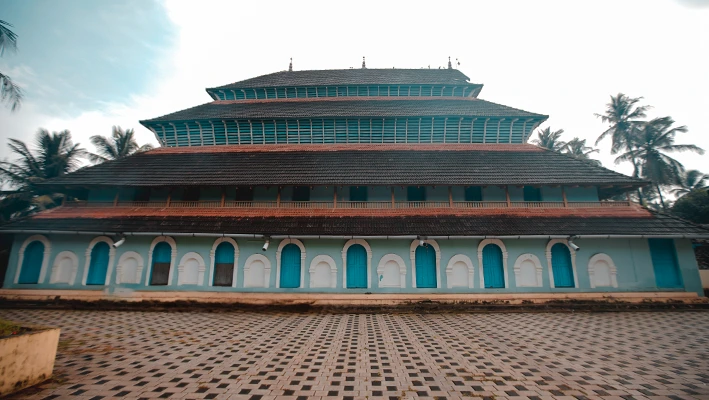
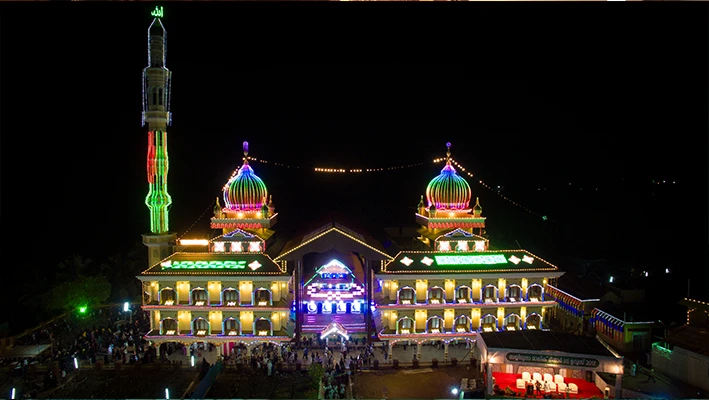
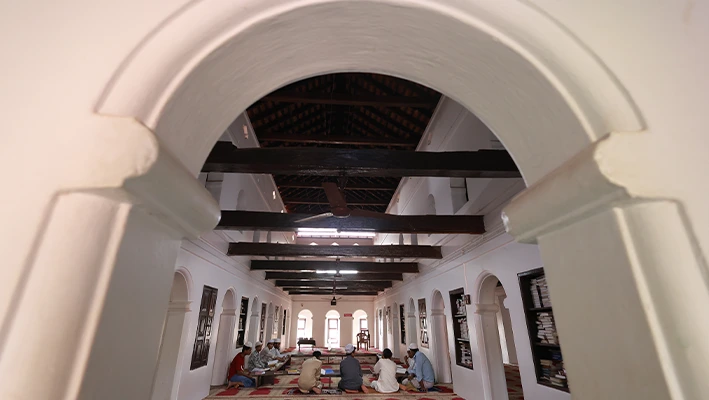
The unique architecture of Mappila mosques, as written by R.E. Miller, not only reflects the Mappila community’s integration in Kerala culture but also its isolation from Indian Islam. Instead of following the Mughal pattern, the Mappila mosques adhere to the indigenous Jain style of architecture. The mosques resemble Hindu temples in all respects except the interior, where the prayer niche (mihrab) and pulpit are arranged in the Muslim fashion.
It is historically evident that early mosques were built by Hindu carpenters and masons who followed the Hindu style of artistry. This is why in some of the earlier mosques, symbols from Hindu mythology like the trisul, can be found carved in front of the gable. There was also the practice of providing grants by the Zamorins to maintain mosques. The inscription documenting one such land grant is found in the Muchunti Mosque at Calicut. Temples and mosques were erected side by side, maintaining harmony between Muslims and Hindus.